Follow
Link copied to clipboard

Published Sep 24, 2026, 11:00 PM EDT
When there’s trouble, you know who to call
Teen Titans introduced a generation to DC Comics — and now it’s streaming free
 Image: Cartoon Network
If you’re a completionist, reading every superhero comic released by a studio like DC or Marvel can be daunting. Sure, there are reading guides and plenty of superheroes and villains to choose from, but deciding what to start with still feels insurmountable. The best advice we’ve always been given is to just start — and that doesn’t necessarily mean going straight to comics. In 2026, plenty of superhero media is available beyond the genre’s comic book origins.
That's been the case for most of the 21st century, as the superhero genre exploded off the page and onto screens of all sizes. And that's especially true in animation, which has always felt like a natural fit for the hand-drawn origins of our favorite heroes and villains. After the success of '90s cartoons about Batman and the X-Men, the medium expanded in the early 2000s with hit series Justice League and X-Men: Evolution. However, one superhero TV show stood out for highlighting teenage struggles while fighting crime, and it's streaming for free on Tubi.
Teen Titans made superheroes relatable
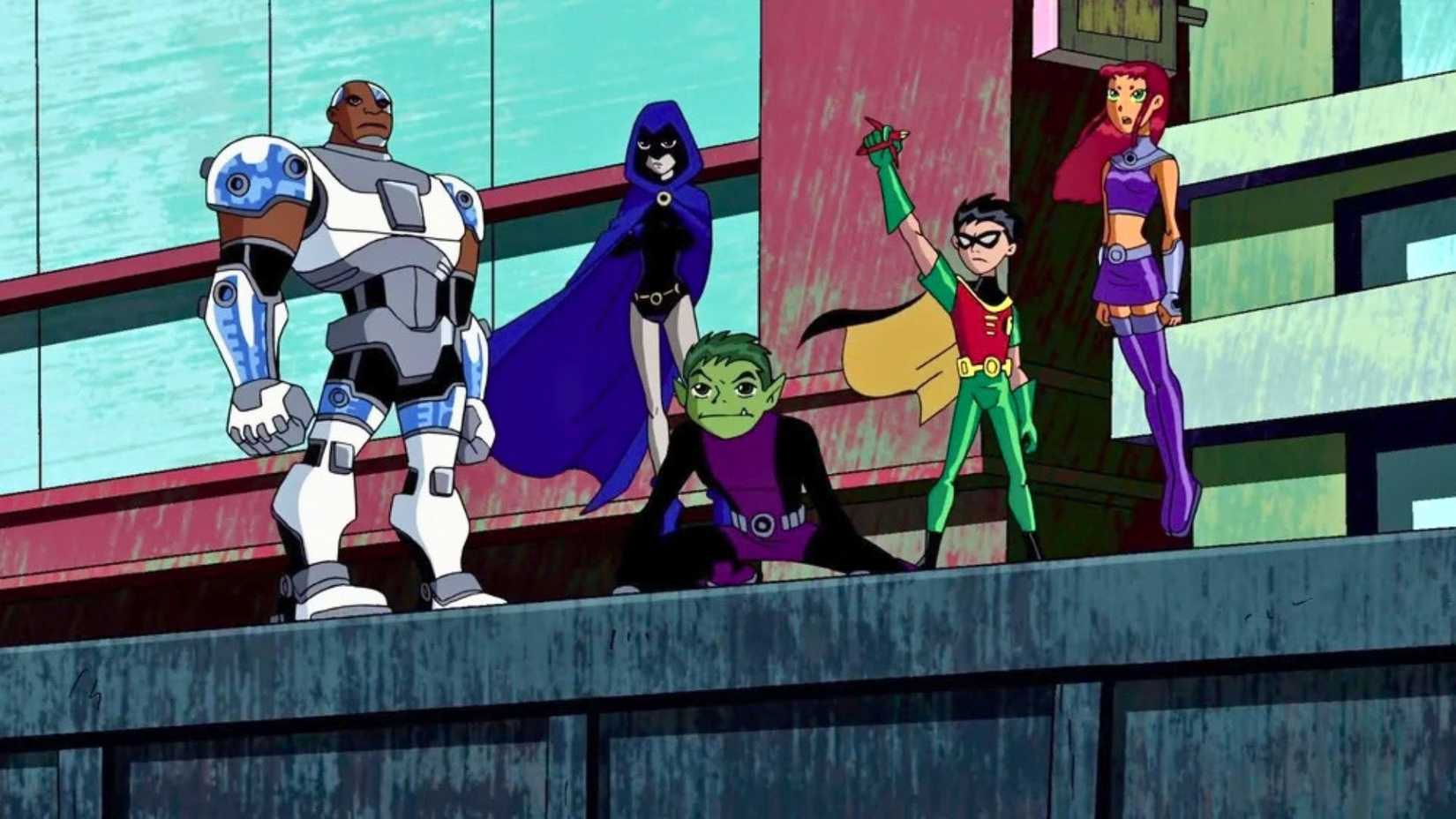 Image: Cartoon Network/Warner Bros.
Based on the original comic book created by writer Bob Haney and illustrator Bruno Premiani, Teen Titans follows five teenage heroes: Robin (Scott Menville), the cool and capable leader of the group; Starfire (Hynden Walch), an alien princess from the planet Tamaran; Raven (Tara Strong), a reserved girl who must keep her emotions in check; Cyborg (Khary Payton), a young cyborg with great strength and technological know-how; and Beast Boy (Greg Cipes), a shapeshifter who can transform into animals. Together they live in Jump City, where their headquarters—a T-shaped building called Titans Tower—is located. They battle villains who threaten the city.
For showrunner Glen Murakami, Teen Titans' goal was twofold: make them cool and make them relatable.
The former was easy enough — what isn’t cool about an alien girl, a robot guy, a shape-shifting boy, a witch girl, and their gadget-packed leader, all living together in a superhero hideout with no parents involved? Add in a heavy Japanese anime influence to the animation style, allowing for exaggerated expressions that make our heroes' big personalities stand out even more, and you’ve got a winner. However, making them relatable meant deviating from a classic superhero trope: the secret identity.
It was really important to me that little kids watching it could identify with characters.
“It was really important to me that little kids watching it could identify with characters,” Murakami revealed in a 2004 interview with TitansTower, speaking about his inspiration for Teen Titans. “I thought that the minute you start giving them secret identities, then kids couldn't project themselves onto the characters anymore.”
It helps that the cast is made up of young adults. Murakami could focus on how Robin, Starfire, Cyborg, Beast Boy, and Raven were teenagers who faced many of the same problems as other teens, superpowers notwithstanding. They still wanted to fit in with the everyday world and often felt frustrated when they couldn’t, either because of their powers or their identity. In every respect, the Titans are seen as misfits.
Teen Titans as outsiders
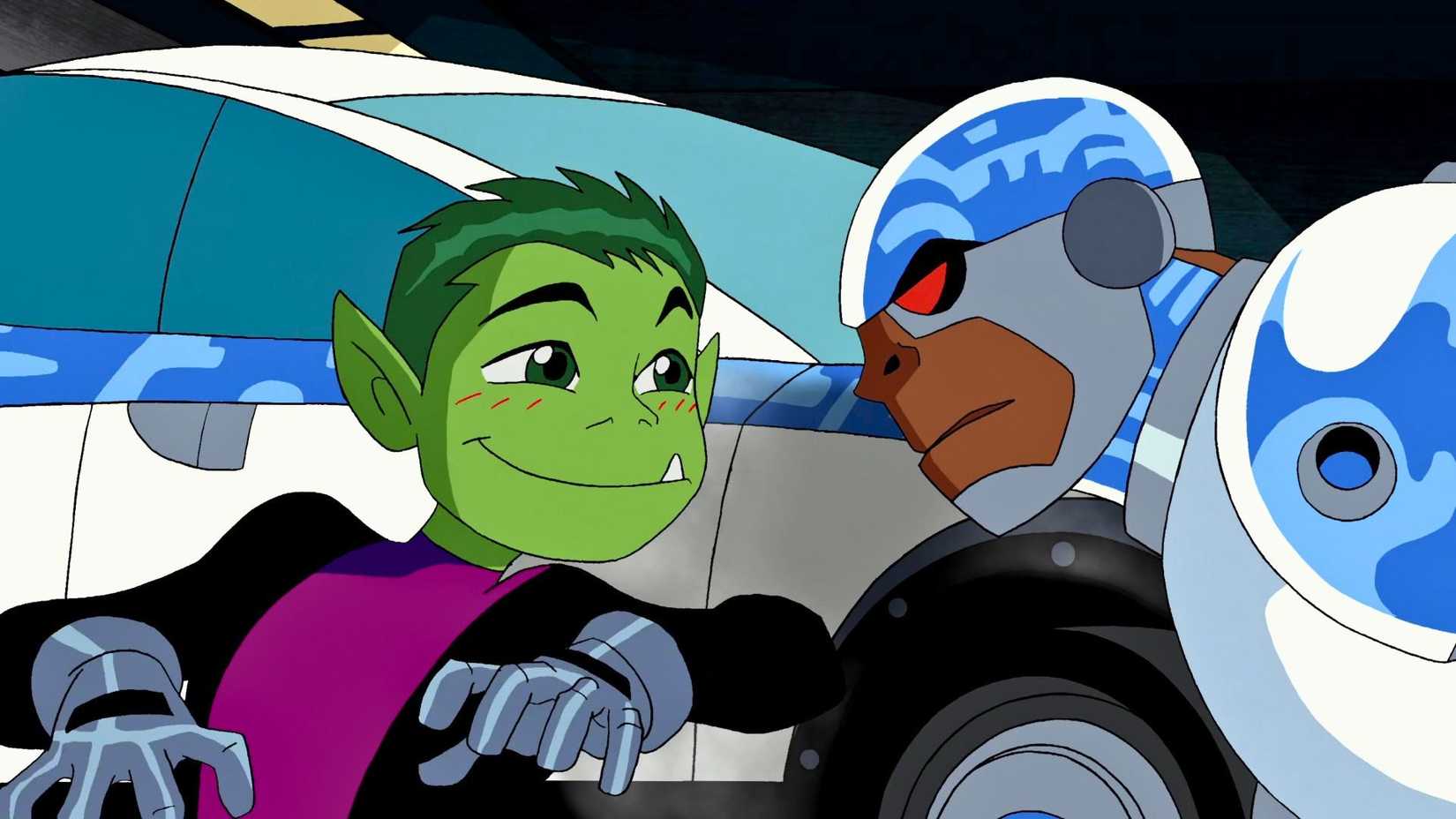 Image: Cartoon Network/Warner Bros.
What makes the Teen Titans so appealing is that, like Marvel’s X-Men, there’s something fascinating about the team being considered outcasts even among other superheroes. While it’s always easy to cheer for Superman and Wonder Woman, those characters are still considered the cream of the superhero crop. That isn’t the case for teams like the Teen Titans and X-Men, whose struggles feel far more relatable to a teen audience — and, speaking strictly for myself, to a queer kid.
Murakami’s adaptation of Teen Titans leans into the team’s outsider status without making it their entire identity. Starfire faces prejudice because she is an alien and struggles to understand Earth culture, but her kindness and love for her friends ultimately take center stage. The same is true for Cyborg, whose season 1 storyline explores his internal struggle with his altered, cybernetically enhanced body. It’s only when Cyborg sees a young amputee look up to him as a hero that he begins to understand that his humanity didn’t disappear after the accident that changed his body. Most importantly, his disability doesn't make him less of a person than he was before, nor less than anyone else.
Teen Titans is the perfect gateway into DC Comics
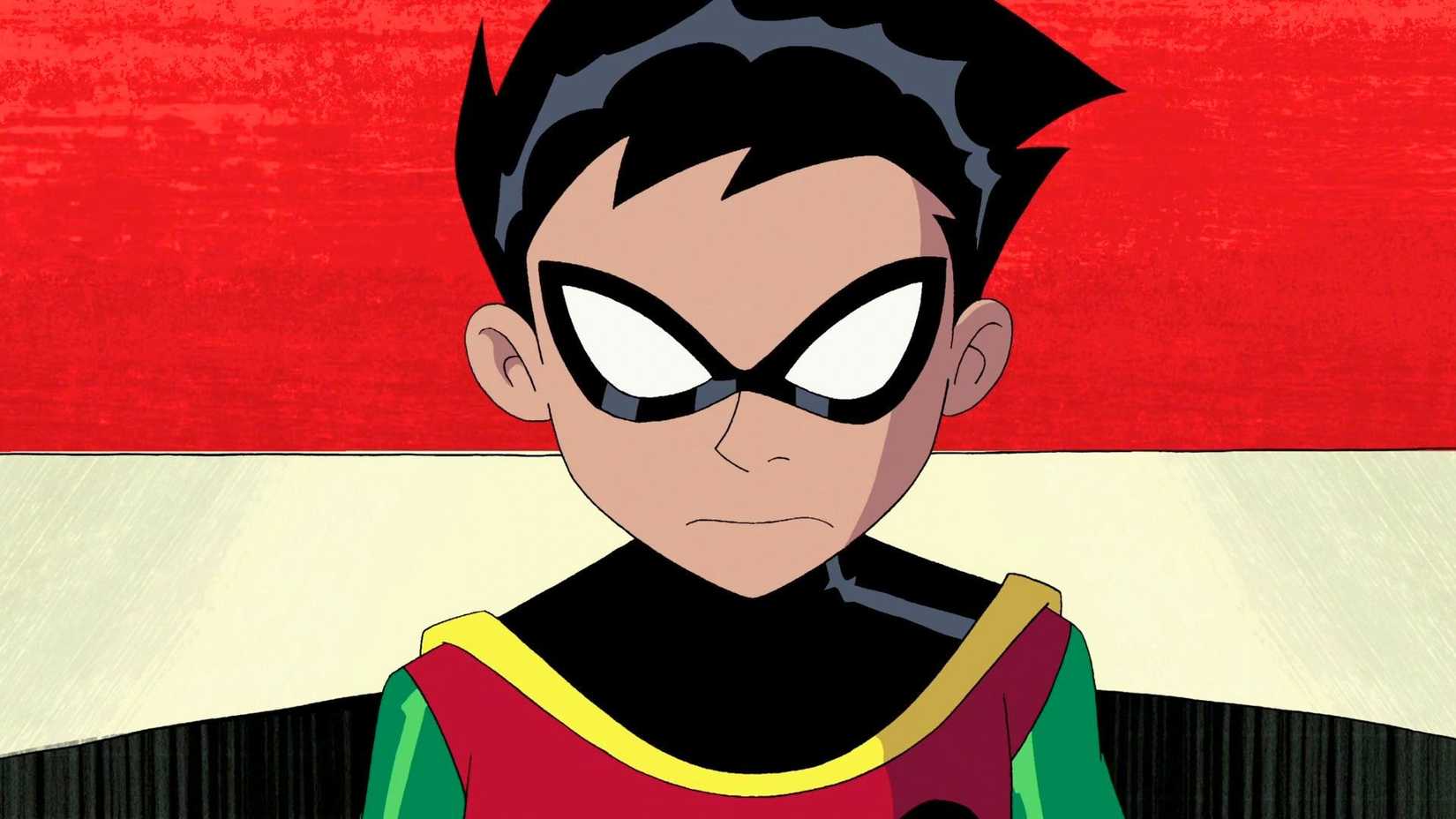 Image: Cartoon Network/Warner Bros.
While Murakami speaks to a teenage audience by following the struggles of its younger superhero team, it would be a big mistake to think the animated series doesn’t have mature enough writing for older audiences. Raven has a whole arc about her abusive demon father, and Robin goes through some nasty torture from big bad Slade that really pushes the boundaries of a kid’s show.
Plus, there are enough tie-ins to other superheroes and settings that Teen Titans is a perfect show for introducing kids and casual viewers to the world of DC Comics. These range from offhand mentions of places like Gotham City to cameos by fellow teen heroes like Kid Flash and Aqualad. Even Batman, while never appearing in Teen Titans, is referenced heavily in episodes like season 1’s finale, “Apprentice: Part 2,” where Robin tells Slade he already has a father figure as a collection of bats fly in from behind him.
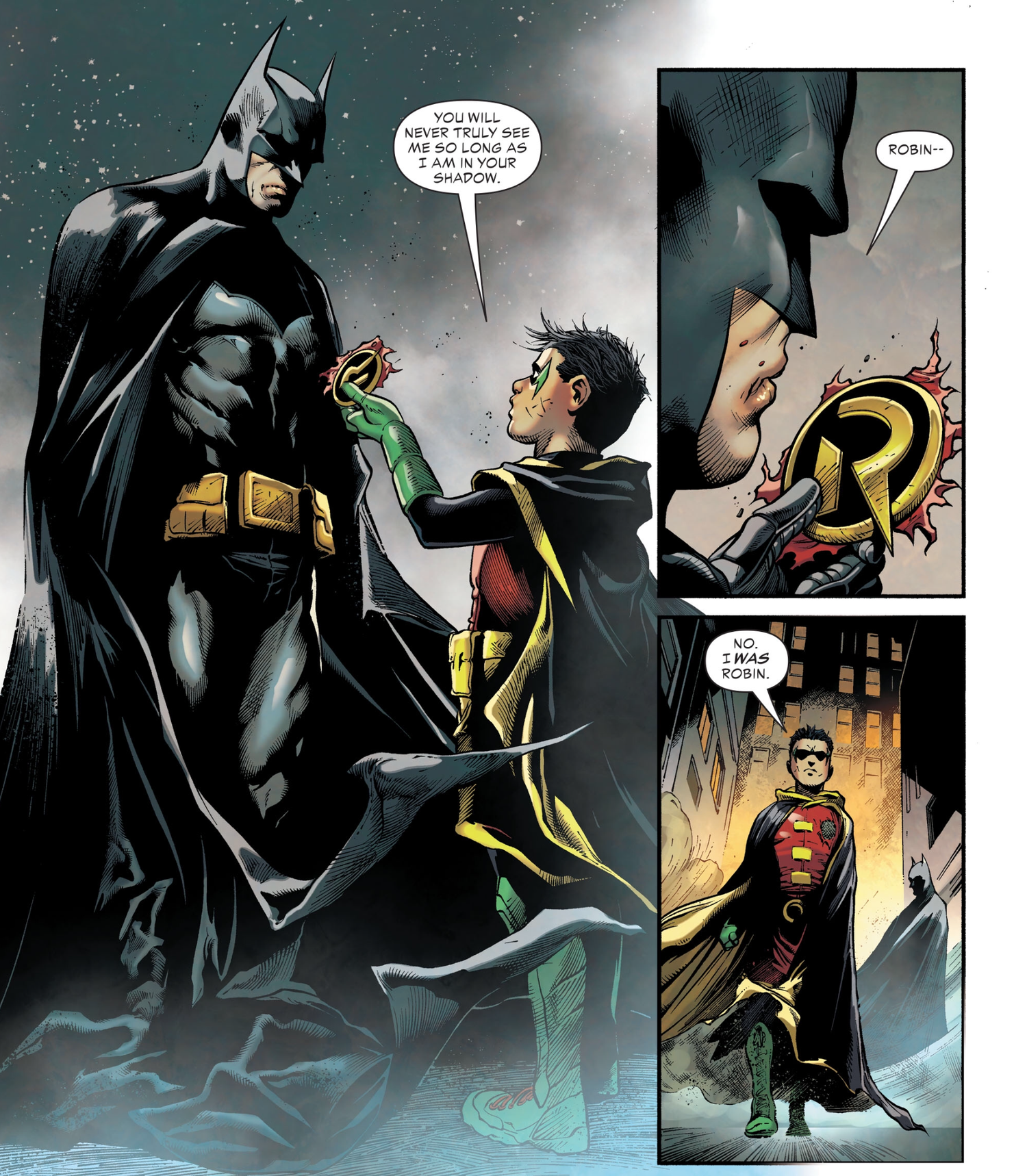 Image: Robbie Thompson, Eduardo Pansica/DC Comics
Robin himself is a great entry point for getting into Batman. While Murakami mostly sticks to his rule of never delving into the Titans' secret identities, he still skirts that line by implying that the Robin in the series is Dick Grayson. In "How Long is Forever?" we see that, 20 years later, Robin has grown up and taken on the moniker Nightwing, an identity primarily associated with Grayson. Season 3 also includes the episode “Haunted,” which offers a brief flashback to Robin’s origins as a trapeze performer. While Teen Titans doesn’t delve much further into the circumstances behind these moments, it lays down enough threads for curious fans to follow.
Teen Titans may not feature household-name heroes like Batman or Superman, but Murakami’s portrayal of the team in its early days has given it a lasting appeal, much like the X-Men. They may all be misfits, but their outsider status — and Murakami’s commitment to taking them seriously as both teenagers and superheroes — makes Teen Titans an underrated superhero show you need to watch at least once.
Teen Titans seasons 1-5 are available to stream for free on Tubi.