
Chizhevskaya Ekaterina/Shutterstock
Living near any coastline can be lovely, with easy access to beaches, gorgeous ocean vistas, and lovely sea breezes. However, salty sea air can wreak havoc on your car's metal bits, which is kinda what cars are made of.
Some vehicles are inherently worse than others when it comes to rust, like body-on-frame trucks and SUVs with exposed frame rails. Toyota's 2005-2010 Tacoma, 2005-2008 Sequoia, and 2007-2008 Tundra are examples of these vehicles. In 2016, Toyota settled a class-action lawsuit, valued at up to $3.4 billion, over allegations of improper rust protection on those models. Still, no car type particularly enjoys oceanside living. Additionally, some coastal areas are much worse for vehicles than others, including regions with greater heat, humidity, wind, and flooding. With this in mind, we see how different environmental factors directly cause this rust.
Let's take a closer look at these environmental factors and their impact on vehicle rust so you can mitigate the damage if you live in such an area or avoid buying a car from one.
Why does living by the ocean affect your car more than living anywhere else?
Greenseas/Getty Images
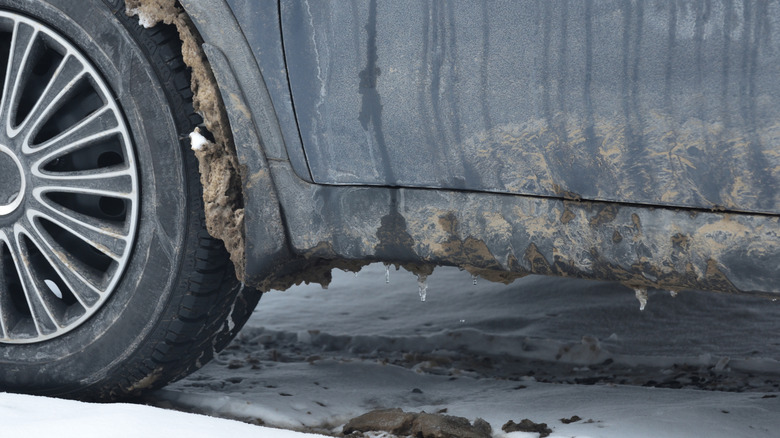
Salt in seaside air, combined with moisture, is the main cause of vehicles by the ocean rusting more. Water by itself can cause metal to rust. However, adding salt to water increases the rate of that electrochemical process. If you live near the ocean, coastal air is often humid and carries salt that helps keep metal surfaces damp. That extra moisture, which increases with humidity when the temperature is stable, can cause metal to corrode more, especially if paint is chipped or damaged, exposing bare metal.
Another problem with humid, sea air is morning dew. Coastal humidity may produce more dew, which can lead to higher levels of moisture sticking to cars.
Engineer and San Diego resident John Rintoul shared a particular observation regarding dew and vehicle corrosion with Allstate, "Winter is the worst, since summer has much less dew during the nights and mornings," he said. "The water droplets create sites where corrosion can occur, and salt helps to accelerate the corrosion."
While coastal living may generate mental images of warm, mild climates like San Diego, many of the areas face colder winter climates, especially in the Northeast. Winter climates often bring road salt designed to melt ice, which adds yet another corrosion accelerator to the mix. So if you live near the water and have cold winters, you have the perfect storm for rust.
What can you do to prevent rust as best as you can?
moomin201/Shutterstock
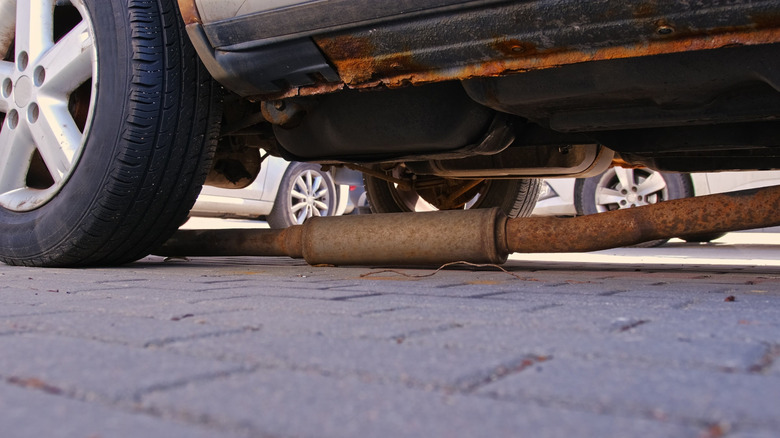
As you can see, when you live near the coast, rust prevention is highly recommended. While you might not be able to prevent rust 100%, especially if your car has certain corrosion-prone areas, you can mitigate the possibility.
Rust doesn't happen immediately; it takes time. But if it takes hold of important mechanical components, it can be dangerous.
If you have a garage to park in, that helps immensely. Garage parking isn't a bulletproof solution, but it reduces the amount of salt and moisture that can eat at your vehicle's metal. Depending on how insulated and dry your garage is, as well as the car's cleanliness, garage parking could lower the humidity your vehicle is exposed to.
Washing and waxing are additionally important. Cleaning a car will keep the paint clear of salt that can eat away at bare metal, particularly in regions where road salt is common during winter. Don't forget to wash the undercarriage, as this prevents salts and other contaminants from eating away at key areas like the structural frame. Undercarriage washing is extra important on pickups and body-on-frame SUVs, which can suffer from severe structural rot over time (look under a 2000 to 2017 Toyota Tacoma, and you may see what we're talking about). Waxing your car periodically creates a protective barrier, helping protect the paint from rust-causing contaminants.