Jonathan Park/Shutterstock
When a car brand goes under, it often means the manufacturer's parts and dealer network also go under, which can pose a problem for owners seeking reliable repairs and routine servicing. Thankfully, this doesn't mean discontinued cars suddenly become unviable. Many owners still drive and cherish cars from defunct brands, and often, lively networks of enthusiasts continue to keep the brands alive through owners' clubs, and dedicated social media pages. In terms of parts production and supply, while these dedicated clubs can sometimes step up and produce some parts for owners, it's often specialist suppliers that take up the role in full.
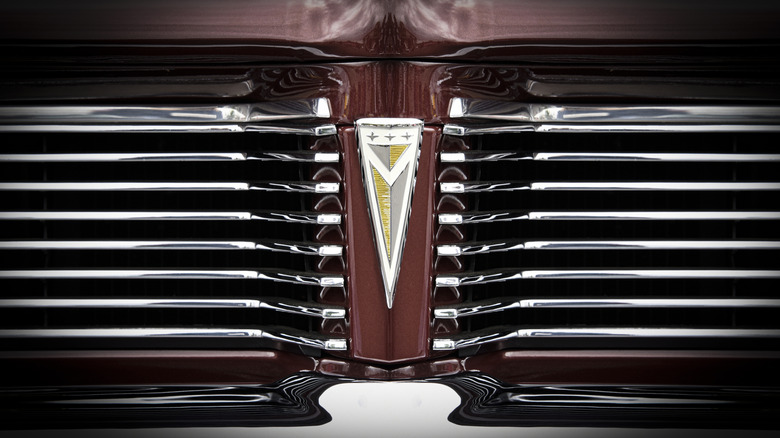
It's also worth noting that other automakers may continue to supply parts compatible with the defunct brand's models. For example, many Pontiac components were fitted to other cars from under the General Motors umbrella, and the same is true of other defunct brands' models such as some Saabs, too. So, answers are out there for owners of such vehicles, but a little forward-thinking is required in order to have a more comfortable ownership experience. Seeking out specialist care, stockpiling parts that may be useful down the line, finding out which other cars share parts with the defunct model, and connecting with other like-minded enthusiasts in the same boat are often the key approaches to keeping cars like these afloat long after the automaker itself has sunk.
Finding a reliable source of parts for defunct-brand cars
Many drivers rely on a certified dealer network rather than an independent mechanic for car service, but when that network and its parts supply fall to pieces, finding a quality alternative can be tricky. One example is British parts supplier Rimmer Bros. When the MG Rover Group went under in 2005, owners rightfully began to panic, and Rimmer Bros saw this as a chance to expand their reach into the world of British car parts. It purchased a stockpile of parts from a local MG Rover dealer alongside six of its specialized staff members. The firm continues to supply a wide array of spares for discontinued brands such as MG, Rover, and Triumph to this day. It's specialists like this that defunct car owners often rely on for parts when the dealer network begins to crumble.
But apart from that, searching for used and new-old-stock (NOS) parts ought to become a hobby for owners of cars from defunct brands, especially as these cars begin to age. Whether those parts are required immediately or not matters not; buying something scarce to save it for the future could keep buyers from difficult searches when said item is eventually called upon for a repair. Autojumbles and online auction sites are excellent places to find parts for defunct car brands. It's also wise for owners of models from defunct brands to figure out which parts on their cars are interchangeable with cars from surviving brands. This can help them locate spares much more easily and affordably when it's time for repairs, and there are even dedicated databases for that, such as The Wrench Monkey.
Build your own support network
Once the dealer disappears, it may seem as if there is no one out there to help. This is the time when owners and enthusiasts need to band together to create their own support network to help keep cars from defunct brands from disappearing off the roads. Perhaps the best recent example is that of Fisker. The American automaker went bankrupt just a few short years ago, raising questions about servicing and updates. Owners quickly banded together to form the Fisker Owners Association; a group that helps regarding technical work on the cars, in addition to providing valuable resources, and simply acting as a space for owners and enthusiasts to connect. One aftermarket company even stepped up to provide Fisker owners with hands-free driving – so, just because the dealer disappears, it certainly doesn't keep the vehicles from progressing.
Another solid route to go down is finding a reputable specialist to work on the vehicle. For example, Saab owners in the U.S. benefit from a wide range of specialist garages across the country, in addition to dedicated owners' clubs, which can also help with practical challenges and building a community feel. When an automaker goes defunct, or when a car becomes discontinued, it can make living with the car difficult. But with forward-thinking and community support, it certainly need not be impossible.