Kevin Carter/Getty Images
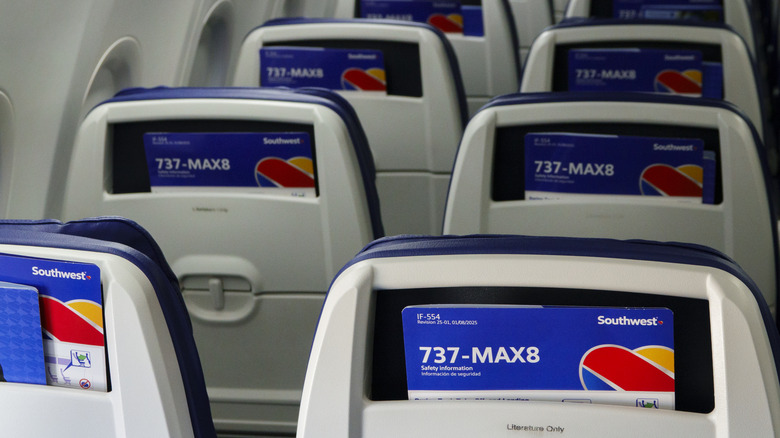
American aviation giant Boeing has stirred up quite a lot of controversy over the past few years, from the 737 Max door plug that blew out mid flight to losing over $3 billion on the new Air Force One program. That doesn't appear to be changing any time soon, either, since the Federal Aviation Administration (FAA) found that 31,000 seats on Boeing 737 Max planes are improperly installed, and may 'disengage' from their tracks during emergency situations or severe turbulence.
According to the proposed airworthiness directive, the FAA estimates that up to 69 seats on every one of the 453 737-8, 737-9, and 737-8200 U.S.-based jets included in this directive could require reassembly. Forbes reported, "The U.S. airlines with the highest number of impacted Boeing 737 MAX jets in their fleets are United Airlines (about 284) and Southwest Airlines (over 260), according to industry data." This comes on the heels of the news that the FAA decided to once again allow Boeing to self-certify its own planes for safety.
FAA estimates the inspections and repairs will cost airlines $2.7 million
Mario Tama/Getty Images
Naturally, seats that disengage from their tracks pose a safety risk to passengers and crew alike, and may impede evacuation efforts in the event of an emergency, so this problem requires airlines to inspect and address any affected seats. The FAA estimates that each seat assembly will cost airlines about $85 to inspect including the cost of labor, which is estimated to equal out to $2,656,845. Globally, the directive will include checking the seats on 1,028 Boeing airplanes.
A Boeing spokesperson told The Seattle Times that the company issued guidance to operators about the issue in December last year, but that they support the FAA making the guidance mandatory. Boeing now inspects the seat installations before aircraft leave the factory, so new 737s should not be affected by the issue. Hopefully this is the final issue found with the problematic Boeing 737 Max, but gauging by its track record I wouldn't get my hopes up.